Insurance · 2026-10-14
Hail damage on a Brisbane roof: what the insurer needs to see
A hail claim is decided on paper before anyone gets on the roof. If the report is thin, the scope that comes back is thin, and the roof gets patched. Here is what a proper report contains and how the claim runs from there.
What a hail report has to contain
An insurer's assessor can only approve what is documented. A report that says "hail damage to roof" with four wide photos gets a scope for four sheets. The report we write is built so the scope matches the roof.
- Dated, close-up photos of every hit, not a sample.
- Hail size and dent counts for each section of the roof, so the damage is quantified rather than described.
- Marked-up test squares, which is the method assessors use themselves.
- Gutters, flashings, vents and skylights checked and photographed, not just the sheets. Hail does not stop at the ridge.
- Written in the format insurers expect, so it is read rather than queried.
Three ways the claim can run
Once the report is in, there are three routes. Which one suits depends on how fast you need the roof done and how much you want to deal with the insurer yourself.
- We manage the claim. We lodge the report, deal with the insurer's questions and quote off the scope they issue.
- You lodge it. We hand you the report and you run the claim; we quote when the scope arrives.
- Cash settlement. The insurer pays out the approved amount and you choose the roofer. In Bryce's words, bypassing the insurer's own build process means you are not waiting a year for the roof to be done.
Why the cash settlement route is often faster
An insurer's panel builder works to the insurer's schedule, and after a big hail event that schedule stretches into months. A cash settlement puts the approved money in your hands and the start date in ours. We usually start within four weeks of a signed quote, and a typical house is two days on site.
The scope still has to be right. If the approved amount only covers a patch, that is what you can afford to build. That is why the report matters more than anything that happens after it.
What gets replaced, not patched
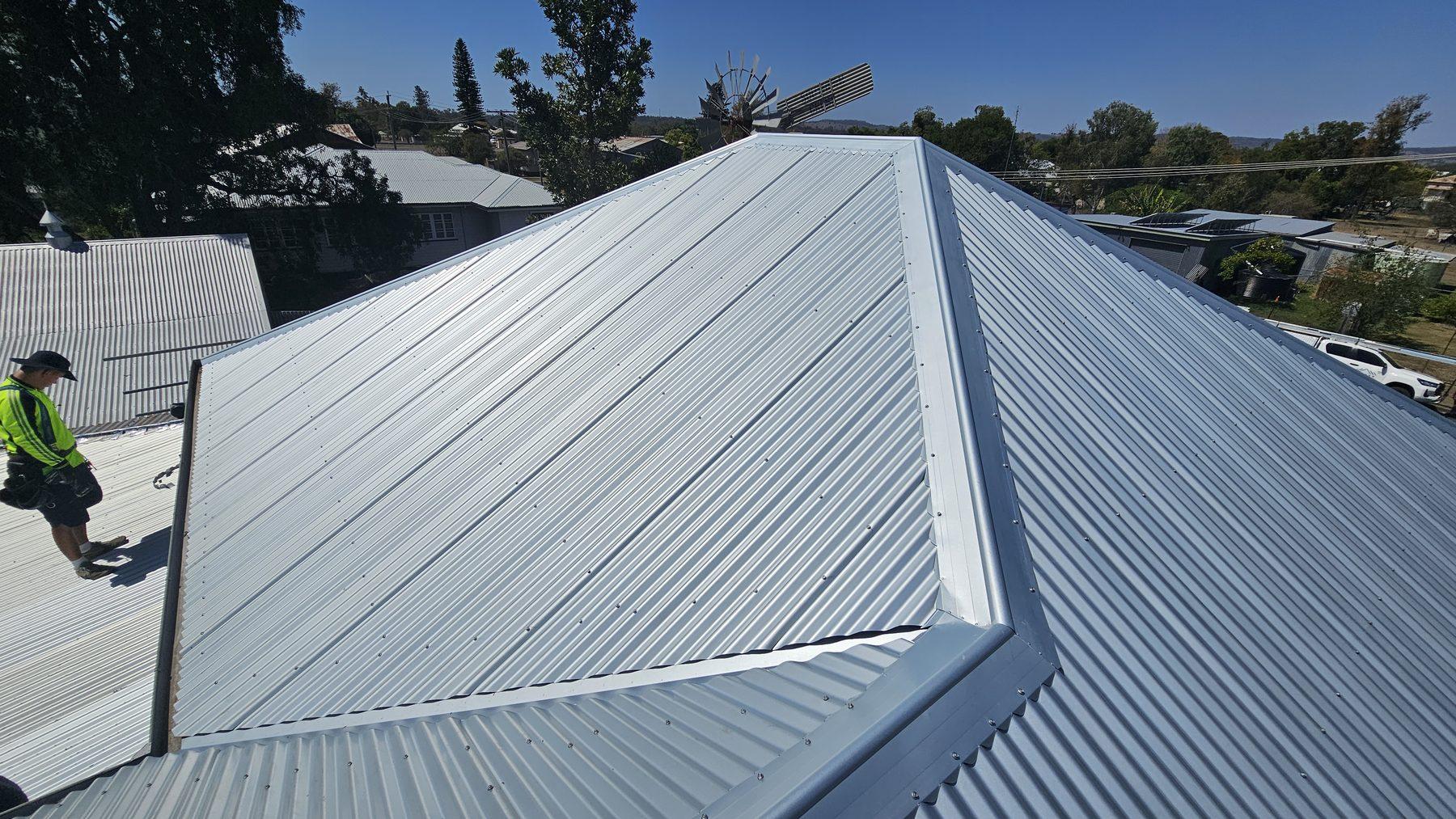
When the claim covers a re-roof, the roof gets the full specification: new 40mm top hat battens or whatever the engineer specifies, R1.3 Anti-Con blanket and sisalation, Colorbond in the profile the roof calls for, Class 4 screws to the manufacturer's spec, and new flashings throughout. Ridge capping and wall flashings are cut and fixed, not siliconed. Every stage is photographed and the photos go to you and, where needed, to the insurer.
Related service: Hail damage reports and insurance work · All guides